September 22, 2026
Your grocery total is hiding
the real story
the real story
Tear down a $164 total line by line (coffee, paper, yogurt, duplicate detergent) and edit the causes.
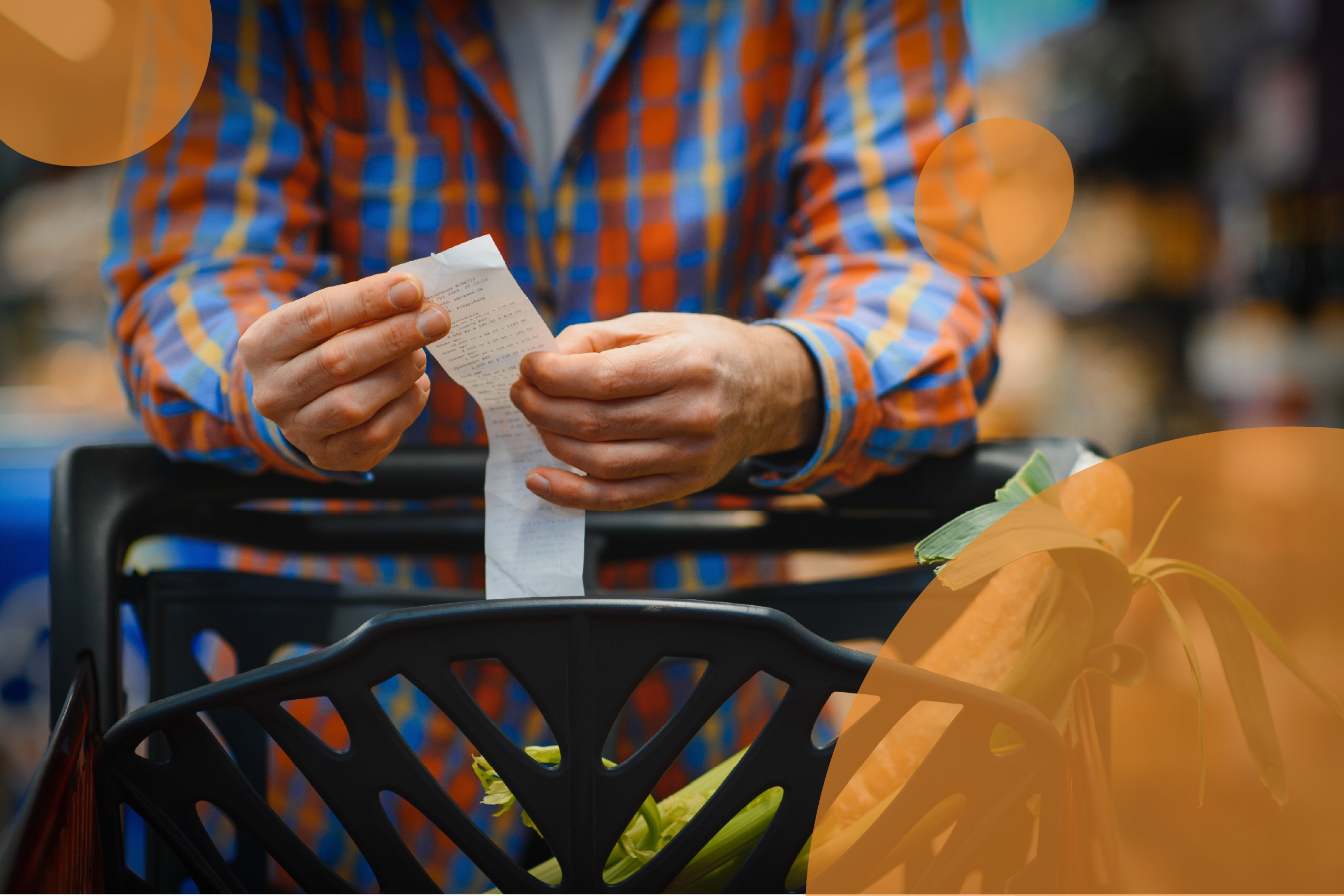
The number at the bottom of the receipt feels like the story. $187.42. You either shrug or panic. Either way, the total hides the plot.
Teardown: $164.10 on a normal Tuesday
Bank app says grocery store, $164.10. Useless. Open the middle of the receipt instead.
- Coffee, name brand: $9.49. Habit line. Store-brand twin at $6.29 saves $3.20 next shop.
- Paper towels, "value" six-pack: $12.99. Unit price loses to mid-size. Roughly $4.50 left on the table across sheets you will actually use.
- Yogurt cups: looks cheap per cup, loses per ounce to the tub you bought two weeks ago. Size, not brand story.
- Detergent: second bottle this week. Two shoppers, two lists. Duplicate, not demand.
- Everything else: staples and noise. Birthday cake does not need a strategy. Milk and bread need history.
The total did not magically shrink overnight. The next total can, if you change the lines that wrote it.
Where money usually hides
- Pack size changes that keep the sticker flat while ounces drop
- Name-brand habits with a store-brand twin you already tried once
- Duplicate buys across household shoppers
- Store choice on a fixed basket: winning milk, losing produce
- Delivery and membership fees that never appear as a grocery SKU
- "Sale" packs with worse unit prices than the everyday mid-size
After the teardown
Sort by spending. Take two or three drivers only. Check swaps and unit prices on those. Leave the rest of the list alone for a week. Capture the next receipt so the teardown stays honest.
Totals are summaries. Summaries erase causes. Lines put the causes back in dollars you can edit.